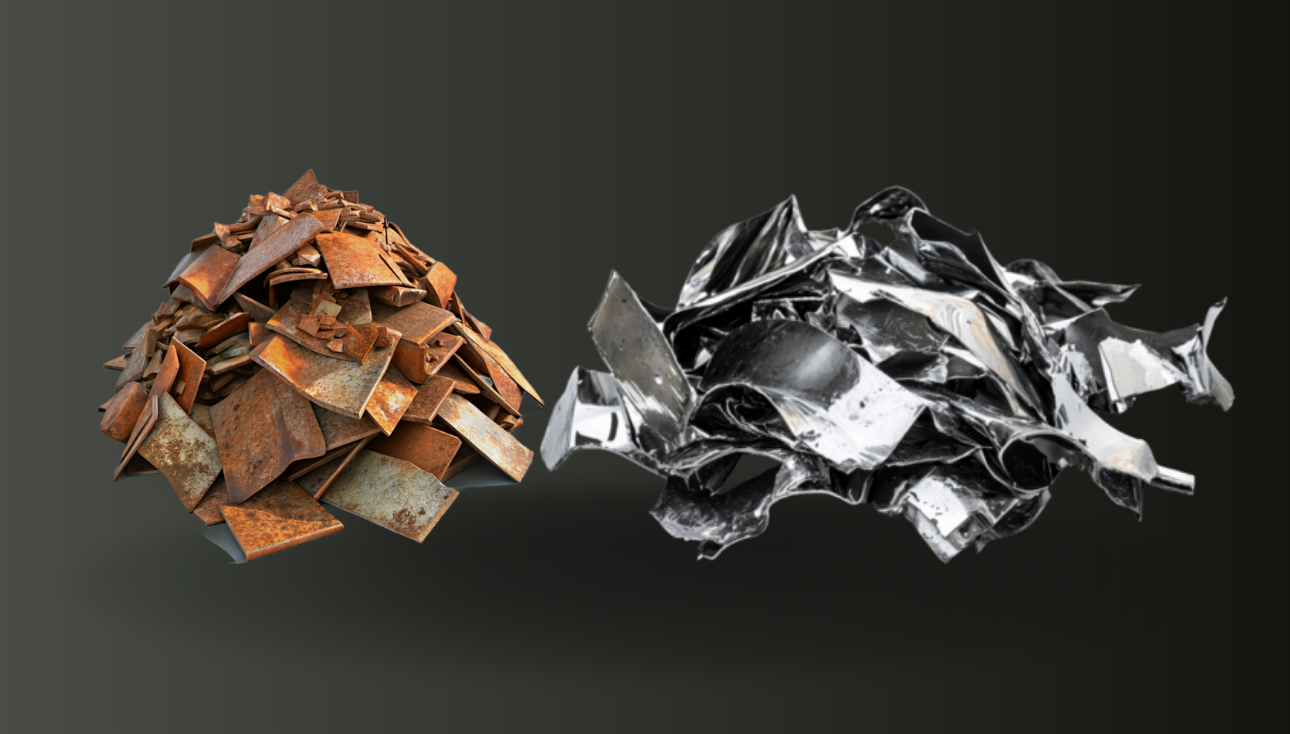
Steeling the Future: The Essential Guide to Iron and Steel Scrap Imports
As of 2026, India has strengthened its position as a global steel powerhouse.
To meet the ambitious target of producing 300 million tonnes of steel by 2030,
the industry is increasingly focusing on a circular economy model.
Since domestic scrap collection is still developing, importing high-quality
iron and steel scrap has become a strategic necessity for many Indian manufacturers.
Part 1: Why Import Scrap? The Strategic Benefits
Importing scrap is not only about meeting supply shortages but also about
improving efficiency, sustainability, and profitability for steel producers.
- Energy Efficiency: Producing steel from scrap requires about 60% less energy compared to manufacturing from raw iron ore.
- Lower Carbon Emissions: Scrap-based steel production generates nearly 58% fewer CO₂ emissions, supporting global “Green Steel” initiatives.
- Cost Advantage for MSMEs: Secondary steel producers using Induction Furnaces or Electric Arc Furnaces find scrap more economical and faster to process.
- Consistent Quality: Clean shredded scrap from markets like the USA, EU, and UAE helps maintain precise metallurgical standards.
Part 2: The Step-by-Step Import & Processing Journey
Importing and processing steel scrap involves strict regulatory checks
to ensure environmental safety and product quality.
1. Pre-Import Compliance (Documentation Stage)
Before any shipment leaves the exporting country, the importer must complete
certain mandatory procedures.
- IEC (Import Export Code): The primary license required for international trade.
- SIMS 2.0 Registration: Importers must register the shipment under the Steel Import Monitoring System 15–60 days before arrival.
- PSIC Certificate: A Pre-Shipment Inspection Certificate ensures that the scrap does not contain explosives or radioactive materials.
2. Shipping & Port Handling
- Shredded Scrap: Can be imported through most major Indian ports.
- Un-shredded Scrap: Restricted to designated ports such as Mundra, Chennai, and Kandla, which have radiation scanners and container inspection systems.
3. Factory Processing: From Scrap to Raw Material
Once the shipment clears customs, the scrap is transported to steel plants
for industrial processing.
- Radiation Screening: Factories perform additional safety checks using handheld radiation detectors.
- Shredding & Baling: Large scrap pieces are shredded into uniform sizes or compressed into dense bales.
- Magnetic Separation: Strong magnets separate ferrous metals from non-ferrous materials and contaminants.
- Furnace Charging: The processed scrap is melted in Electric Arc Furnaces (EAF) or Induction Furnaces and sometimes mixed with sponge iron to achieve desired steel grades.
Part 3: Import Checklist for 2026
| Requirement |
Description |
| HS Code |
7204 (Ferrous Waste and Scrap) |
| SIMS Validity |
75 days from the date of approval |
| Customs Duty |
Often 0% or reduced depending on Union Budget policies |
| Environmental Clearance |
Consent to Establish (CTE) from the State Pollution Control Board |