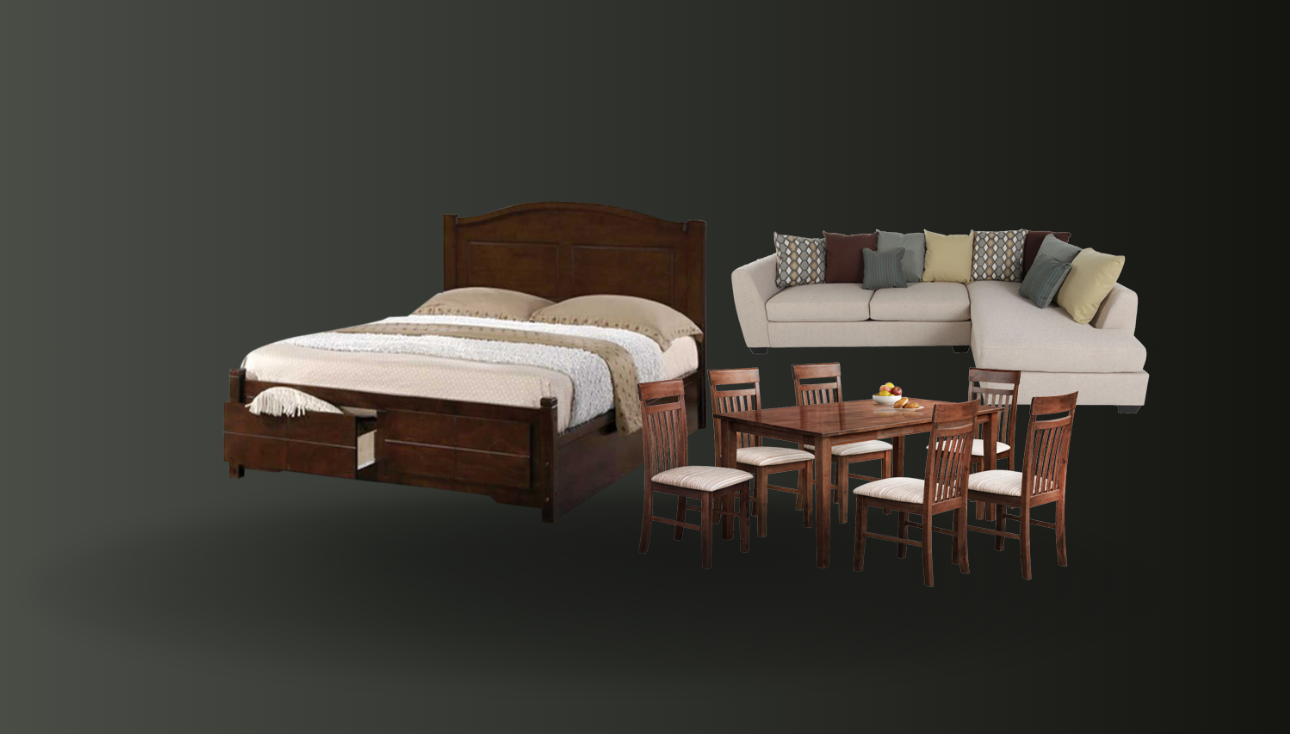
From Forest to Foyer: The Global Journey of Indian Wooden Craftsmanship
The world has a growing appetite for the "Handmade in India" tag. Whether it is a
hand-carved Sheesham wood chair or a minimalist teak coffee table, Indian wooden
products are dominating the global décor market. In 2026, the growing demand for
sustainable and artisan-made furniture has made wooden exports one of the most
lucrative sectors for Indian businesses.
Part 1: Why Export Wooden Products? The Strategic Benefits
Entering the international market offers many advantages for manufacturers
and traders beyond simply increasing sales.
- Premium Pricing: Handcrafted furniture can sell for 3x to 5x higher prices in markets like the USA, Germany, and Japan.
- Year-Round Demand: International markets provide steady orders throughout different global holiday seasons.
- Brand Prestige: Becoming an exporter increases credibility and strengthens brand reputation.
- Government Incentives: Schemes like RoDTEP provide tax rebates, helping Indian exporters stay competitive globally.
Part 2: The Factory-to-Export Journey — Step-by-Step
Processing wood for export requires strict quality control to ensure that
the furniture remains stable and durable when shipped to countries with
different climates.
1. Sourcing & Legal Compliance (VRIKSH)
Exporters must prove that the timber used is legally harvested and environmentally responsible.
- Certified Wood: Common export woods include Sheesham (Indian Rosewood), Mango, Teak, and Acacia.
- VRIKSH Certification: Required for Sheesham wood to prove it is not sourced from endangered forests.
2. Seasoning & Chemical Treatment (Kiln Phase)
This step ensures the wood remains stable and resistant to climate changes.
- Kiln Drying (K/D): Wood is dried in a kiln to maintain a moisture level of 8–12%.
- Termite Treatment: Eco-friendly chemicals such as Borax are used to eliminate insects.
3. Precision Manufacturing
- Jigs & Fixtures: Factories use metal templates to maintain uniform furniture design.
- Joint Reinforcement: Strong joints like Mortise and Tenon are used for long-lasting durability.
4. Finishing & Sanding
- Multi-Stage Sanding: Furniture is sanded from rough 80-grit to smooth 400-grit finish.
- Lead-Free Coatings: Water-based lacquers or natural oils are used to meet international safety standards.
5. Knock-Down (KD) Furniture Strategy
To reduce shipping costs, many furniture items are designed to be shipped in separate parts.
- Flat-Packing: Furniture is shipped in pieces rather than fully assembled.
- Assembly Kit: Customers receive instructions and tools such as an Allen key for easy assembly.
6. Packaging & Fumigation
- 7-Ply Corrugated Boxes: Heavy-duty packaging protects furniture during shipping.
- Fumigation (ISPM 15): Certification confirms that the wood and packaging are pest-free.
Part 3: Export Documentation at a Glance
| Document |
Purpose |
| Commercial Invoice |
Details of the transaction and product value. |
| Packing List |
Shows weight, dimensions, and quantity of each package. |
| Certificate of Origin |
Confirms the product is manufactured in India. |
| VRIKSH / CITES Certificate |
Required for exporting woods like Sheesham or Rosewood. |
| Fumigation Certificate |
Ensures wooden packaging and products are pest-free. |